

CHELSA joins CLOCKSS as South Africa gains digital preservation node
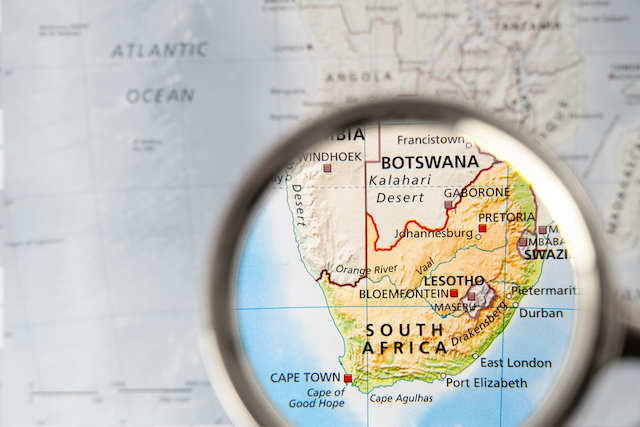
The Committee of Higher Education Libraries of South Africa (CHELSA) has joined the CLOCKSS community, with South Africa set to host a new node in the organisation’s global digital preservation network.
CHELSA represents 26 South African academic and research libraries, and the partnership is intended to strengthen the long-term preservation of the country’s scholarly output while expanding CLOCKSS’s preservation infrastructure in Africa.
CLOCKSS described the agreement as a “momentous achievement” for both organisations, providing greater protection for South African scholarship while creating an additional regional hub for the preservation of scholarly content from around the world.
The new South African node will also increase the geographical diversity and resilience of the CLOCKSS archive. Content entrusted to CLOCKSS is currently stored across 12 highly secure, geographically distributed nodes, designed to ensure that scholarly material remains available over the long term.
“The establishment of a CLOCKSS node in South Africa represents an important milestone in expanding trusted digital preservation infrastructure in Africa,” CLOCKSS said, adding that the move would further strengthen the archive’s “geographical resilience and diversity”.
CHELSA brings together directors of libraries from South Africa’s public higher education institutions. Its members work collectively on areas including national leadership, standards, resource sharing, staff development and strategic partnerships supporting higher education and research.
Its membership also includes the National Library of South Africa, the Council for Scientific and Industrial Research (CSIR) Library and the South African Medical Research Council (SAMRC) Library.
CLOCKSS said the strength of its preservation model lies in international community governance, alongside the geographical distribution of the infrastructure on which preserved content is held. Adding a South African node will broaden that distribution while bringing additional library preservation expertise into the network.
The two organisations said the partnership reflected a shared commitment to ensuring South African research forms part of the permanently preserved global scholarly record.
“Together we are committed to strong community owned and controlled digital preservation infrastructure, leveraging library preservation skills for the benefit of current and future generations,” they said.